On This Day in 1975: How Willie Nelson Scored His First Solo Number One and Ignited Outlaw Country
By: Brian Zwerner
In the early 1970s, a frustrated Texas songwriter packed up his belongings, turned his back on Music City, and retreated home to Austin. Nashville record executives had spent years trying to polish his unique phrasing, forcing him into slick suits and burying his nylon-string guitar under heavy layers of lush orchestral strings. They told him his quirky vocal timing and eccentric delivery would never work on mainstream country radio, leaving him feeling creatively exhausted and completely ready to walk away from the commercial recording industry altogether.
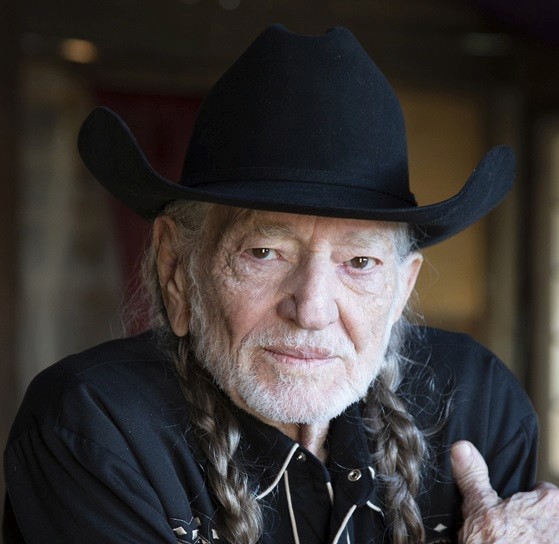
Instead of quitting, Willie Nelson traded the polished studio system for absolute creative freedom. He grew his hair into signature pigtails, threw on faded blue jeans, and booked time at an inexpensive studio in Garland, Texas, to cut a spare, acoustic concept album titled Red Headed Stranger. When Columbia Records executives first heard the finished master tapes, they were thoroughly unimpressed and deeply concerned. The arrangements were so stripped-down and understated that label bosses insisted he had turned in an unfinished basement demo that could never sell to modern listeners.
He stood his ground, backed by a rare contract clause that gave him complete artistic control over his finished studio recordings without any corporate interference. Leading the tracklist was his tender, delicate interpretation of Fred Rose's 1945 ballad "Blue Eyes Crying in the Rain." Driven by little more than his battered Martin acoustic guitar Trigger, a steady upright bass, and an emotional, weeping harmonica solo by Mickey Raphael, the song possessed a raw, haunting beauty that cut straight through the glossy pop country dominating the national airwaves.
Radio stations quickly fell in love with the track, and listeners across America called in by the thousands to hear it played again. On October 11, 1975, the single achieved what over two decades of traditional Nashville hustling had never delivered, climbing all the way to number one on the Billboard Hot Country Singles chart. It marked his very first solo chart-topping hit and crossed over into the pop Top 40, turning an inexpensive concept album into a multi-platinum cultural landmark that rewrote the rulebook.
The monumental triumph of that song officially ignited the Outlaw Country movement, proving that artists could abandon the rigid Music City assembly line and still score massive commercial hits on their own terms. Dive deeper into his story on our site to explore how his defiant spirit and timeless songwriting revolutionized American music forever.