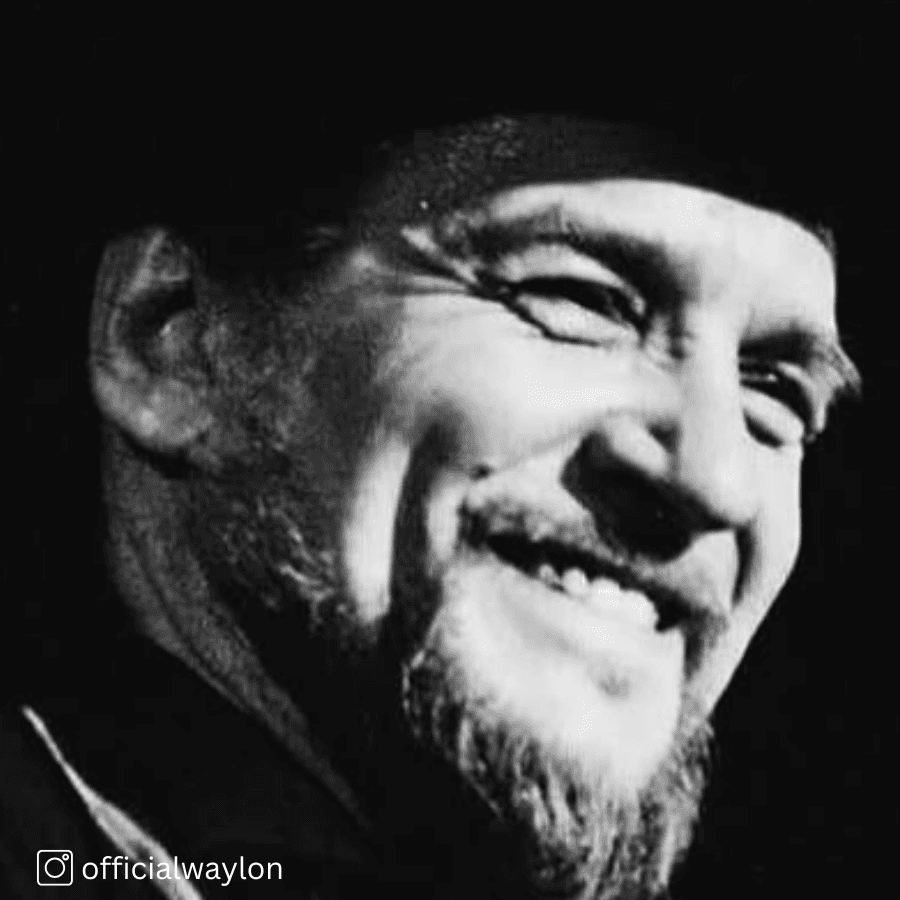
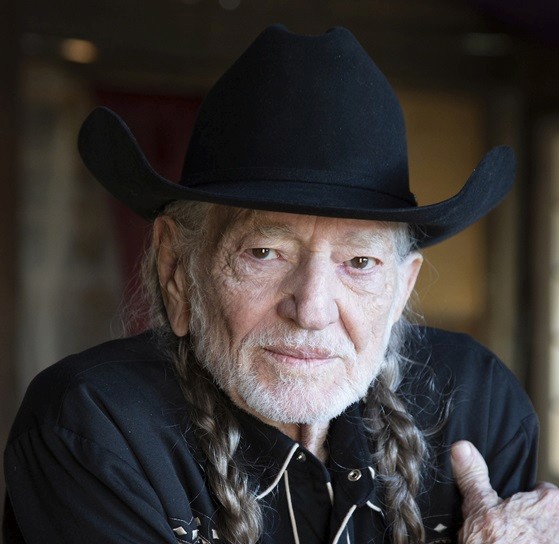
Happy Heavenly Birthday, Waylon: The Outlaw Who Changed Country Music Forever
By: Brian Zwerner
Today would have been Waylon Jennings' 89th birthday. He was born on June 15, 1937, in Littlefield, Texas, the son of a tenant farmer whose mother bought him his first guitar when he was still a small boy. He died on February 13, 2002, at his home in Chandler, Arizona, at the age of 64.
In between those two dates, he managed to survive a plane crash that killed three of his closest friends, spend a decade fighting Nashville for the right to make music on his own terms, battle cocaine addiction at the height of his fame, and build a legacy that country music is still catching up with.
The Night That Should Have Ended Everything
As a young disc jockey in Lubbock, Texas, Jennings met Buddy Holly in 1955, and the two became fast friends. Holly became his mentor, produced his first single in 1958, and hired him to play bass on what would become Holly's final tour.
On February 3, 1959, Jennings gave up his seat on the small charter plane to J.P. "The Big Bopper" Richardson, who was suffering from the flu and did not want to ride the tour bus. That plane crashed shortly after takeoff, killing Holly, Richardson, and Ritchie Valens. When Holly found out Jennings had given up his seat, he joked that he hoped Jennings' bus would freeze up. Jennings joked back that he hoped Holly's plane would crash. He carried the guilt of that exchange for the rest of his life.
Fighting Nashville and Winning
Through the 1960s, Jennings tried and failed to fit into the polished, string-heavy Nashville sound that dominated country radio. He was too rough. Too rock. Too unwilling to smile and do what the labels told him. He and Willie Nelson became close allies, both stubbornly fighting for artistic control against the Nashville establishment, and the two quickly became known as outlaws.
In 1976, Jennings, Nelson, Tompall Glaser, and Jessi Colter released Wanted! The Outlaws, which became country music's first platinum album. The genre had never seen anything like it. He followed it with Ol' Waylon and the smash "Luckenbach, Texas," and spent the late 1970s at the absolute peak of his commercial power, scoring 16 number one hits and 11 number one albums across his career.
In 1979, he recorded the theme song for The Dukes of Hazzard and served as the narrator for all seven seasons of the show, introducing his voice to millions of Americans who had never bought a country album in their lives. He was everywhere, and he had done it entirely on his own terms.
The Long Battle and the Quiet End
Substance abuse, particularly cocaine, plagued Jennings throughout the height of his popularity in the 1970s, and it took until the mid-1980s before he was free from drugs. By 1989, he had earned his GED, wanting to finish high school to set an example for his ten-year-old son Shooter, who has gone on to forge his own music career.
Diagnosed with diabetes in the early 1990s, Jennings had trouble walking in his later years but kept making music. He was inducted into the Country Music Hall of Fame in 2001. Later that year he had a foot amputated due to diabetes-related complications. He died on February 13, 2002, at his home in Chandler, Arizona.
His wife Jessi Colter, whom he had married in 1969, was by his side. They had built one of country music's most enduring partnerships, personal and professional, across more than three decades.
Waylon Jennings did not just make music. He fought for the right to make it the way he wanted, paid a steep personal price for that fight, and won. Every independent-minded artist in country music today owes something to what he built.
Happy heavenly birthday, Waylon! The outlaws miss you. Read his full bio on our website.